Articles
DSIP: Benefits, Sleep Research, Safety & What to Know Before You Buy DSIP Peptide 2026
Sleep is one of the most important pillars of human health. From memory consolidation and hormone regulation to immune function and emotional well-being, quality sleep influences nearly every aspect of life. As interest in advanced wellness and sleep science grows, many people are searching for innovative approaches to support healthy sleep patterns.
One compound that has generated considerable interest is DSIP peptide, also known as Delta Sleep Inducing Peptide. Originally discovered in the 1970s, it has been studied for its potential role in sleep regulation, stress response, and neurological function.
Today, DSIP remains one of the most discussed peptides for sleep, especially among researchers and wellness enthusiasts who are interested in understanding the science behind sleep-related peptides.
This comprehensive guide explores how it works, its potential benefits, safety considerations, and what consumers should know before deciding to buy DSIP peptide from a research supplier.PrimegalaxyStore
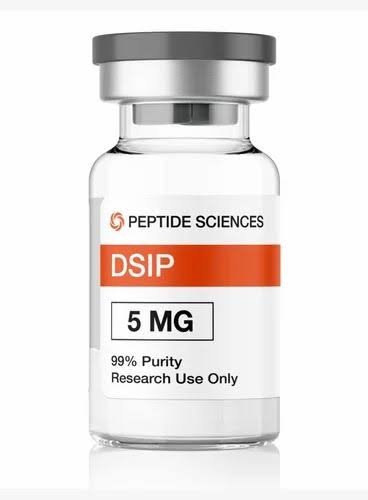
Featured Snippet: What Is DSIP?
DSIP (Delta Sleep Inducing Peptide) is a naturally occurring neuropeptide that was first isolated in 1974. Researchers have studied DSIP for its potential role in regulating sleep cycles, stress responses, and hormonal balance. Although is widely discussed as one of the leading peptides for sleep, scientific evidence remains limited, and more research is needed to fully understand its effects.
What Is DSIP Peptide?
DSIP stands for Delta Sleep Inducing Peptide. It is a short neuropeptide consisting of nine amino acids and was initially identified in brain extracts associated with sleep activity.
Scientists became interested in DSIP because early studies suggested it might influence:
- Sleep quality
- Stress adaptation
- Circadian rhythm regulation
- Hormonal secretion
- Neurological function
Over the years, DSIP peptide has been examined in both animal and human studies, though its exact mechanism of action remains under investigation.
Unlike many pharmaceutical sleep aids, DSIP is not considered a sedative. Instead, researchers have explored whether it influences biological pathways involved in natural sleep regulation.https://phoenixpeptide.com/
Why Is Popular Among Peptides for Sleep?
Many wellness enthusiasts and researchers consider one of the most interesting peptides for sleep because of its association with deep sleep and recovery.
Several factors contribute to its popularity:
1. Sleep Regulation
it has been investigated for its potential ability to influence sleep architecture and promote more restful sleep cycles.
2. Stress Management
Some studies suggest may interact with stress-related hormones, potentially supporting the body’s adaptation to physical and emotional stress.
3. Recovery Support
Because sleep is essential for recovery, researchers have explored whether DSIP may indirectly support:
- Muscle recovery
- Cognitive function
- Energy restoration
- Mood balance
How Does it Work?
The precise biological mechanism of DSIP remains uncertain.
However, researchers believe may interact with:
Neurotransmitter Systems
DSIP appears to influence neurotransmitters associated with:
- GABA signaling
- Serotonin pathways
- Glutamate balance
These systems play important roles in sleep regulation and nervous system activity.
Hormonal Regulation
Research suggests DSIP may affect:
- Cortisol
- Growth hormone
- ACTH
- Melatonin-related pathways
This has led scientists to investigate its possible role in stress adaptation and circadian rhythm regulation.
Benefits: What Does the Research Suggest?
Although research is ongoing, several potential benefits have been explored.
Improved Sleep Quality
One of the primary reasons people search for DSIP peptide is its possible influence on sleep quality.
Researchers have studied whether DSIP may:
- Support deeper sleep
- Reduce nighttime awakenings
- Improve sleep efficiency
- Enhance sleep recovery
However, findings remain mixed, and larger human studies are still needed.
Stress Reduction
Stress is a major contributor to poor sleep.
Some studies suggest it may influence stress hormone regulation and help maintain balance in:
- Cortisol levels
- Emotional stress responses
- Physical recovery after stress
Potential Pain Modulation
Certain studies have explored whether DSIP possesses pain-modulating properties.
Researchers have investigated its role in:
- Chronic pain
- Neuropathic pain
- Stress-induced discomfort
The evidence remains preliminary, but this area continues to attract scientific attention.
Neurological Support
Scientists have also examined DSIP’s potential impact on:
- Cognitive performance
- Mood regulation
- Brain recovery
- Neuroprotection
Although promising, these findings require additional research.
DSIP vs Other Peptides for Sleep
The popularity of sleep peptides has increased dramatically in recent years.
Common peptides for sleep include:
DSIP
- Focuses primarily on sleep and stress research
- Widely discussed in biohacking communities
- Studied for sleep architecture
Melatonin Peptides
- Influence circadian rhythm
- More extensively researched
- Commonly used for jet lag
Growth Hormone Releasing Peptides
- Indirectly influence sleep
- Primarily studied for hormone regulation
Among these options, DSIP remains unique because its primary focus is natural sleep-related pathways.
Is DSIP Safe?
Safety is one of the most important considerations.
Current evidence suggests:
- Human research remains limited.
- Long-term effects are not fully understood.
- Regulatory approval varies by country.
- Quality standards differ among suppliers.
Potential side effects reported in limited studies include:
- Fatigue
- Headache
- Dizziness
- Changes in mood
- Temporary discomfort
Because evidence remains incomplete, individuals should seek professional guidance before considering experimental compounds.
Dosage: What Does Research Say?
There is no universally accepted dosage guideline for DSIP.
Research studies have explored varying protocols depending on:
- Study objectives
- Delivery methods
- Subject characteristics
- Duration of use
Because DSIP remains an experimental compound, standardized dosing recommendations have not been established.
What to Know Before You Buy DSIP Peptide
Many users search online for information before they buy DSIP peptide.
If you are researching suppliers, consider the following factors:
Third-Party Testing
Always look for suppliers that provide:
- Independent laboratory analysis
- Purity reports
- Batch verification
Product Transparency
Quality suppliers should disclose:
- Peptide concentration
- Storage recommendations
- Ingredient information
- Manufacturing standards
Legal Considerations
Laws surrounding research peptides vary significantly.
Before purchasing, verify:
- Local regulations
- Import restrictions
- Product labeling requirements
Educational Resources
Reputable companies often provide:
- Scientific references
- Product education
- Transparent documentation
Educational content helps consumers make informed decisions.
The Growing Interest in Sleep Optimization
The modern world has created unprecedented challenges for healthy sleep.
Factors affecting sleep include:
- Blue light exposure
- Stress
- Shift work
- Irregular schedules
- Increased screen time
As a result, interest in:
- Sleep supplements
- Recovery technologies
- Peptides for sleep
- Circadian rhythm optimization
continues to grow.
DSIP has become part of this broader conversation, especially among individuals exploring advanced wellness strategies.
Why Researchers Continue to Study DSIP
Despite decades of investigation, many questions remain.
Scientists continue exploring:
- The exact mechanism of DSIP
- Long-term safety
- Sleep architecture effects
- Hormonal interactions
- Neuromodulation pathways
- Stress response regulation
Future studies may provide a clearer understanding of DSIP’s potential applications.
Frequently Asked Questions
What does DSIP stand for?
DSIP stands for Delta Sleep Inducing Peptide, a naturally occurring neuropeptide first identified in the 1970s.
Is DSIP approved as a medication?
DSIP is not widely approved as a prescription medication in many countries, and research is ongoing regarding its safety and effectiveness.
Why is DSIP considered one of the top peptides for sleep?
DSIP is often discussed among peptides for sleep because researchers have studied its potential influence on sleep cycles, stress regulation, and recovery.
Is DSIP a sedative?
No. DSIP is not generally classified as a sedative. Scientists are studying whether it affects natural sleep-related pathways rather than inducing sleep directly.
What should I know before I buy DSIP peptide?
Before you buy DSIP peptide, consider factors such as product quality, laboratory testing, legal regulations, transparency, and available scientific evidence.
Internal Linking Suggestions for PrimeGalaxy.shop
You can internally link this article to:
- Peptides for Sleep
- Sleep Optimization Guide
- Research Peptides Explained
- Understanding Neurotransmitters
- Wellness and Recovery Peptides
- Peptide Storage and Handling Guide
Conclusion
DSIP remains one of the most intriguing neuropeptides in modern sleep research.
Its association with sleep quality, stress regulation, and neurological balance has made DSIP peptide a popular topic among researchers and wellness communities alike.
Although early findings are promising, much remains to be learned about its mechanisms, safety profile, and long-term effects.
If you are exploring peptides for sleep, it is essential to rely on high-quality scientific information, understand current research limitations, and evaluate suppliers carefully before deciding to buy DSIP peptide.
As sleep science continues to evolve, DSIP will likely remain an important area of interest for scientists seeking new ways to understand and optimize human sleep and recovery.
References
- Schoenenberger GA, Monnier M. Delta Sleep-Inducing Peptide (DSIP): Structure and Biological Activity.
- Graf MV, Kastin AJ. The Biology of Delta Sleep-Inducing Peptide.
- Monnier M, et al. Sleep-Inducing Peptides and Their Physiological Significance.
- PubMed Database – Delta Sleep Inducing Peptide Research.
- National Center for Biotechnology Information (NCBI) – DSIP Studies and Reviews.
- Sleep Foundation – Understanding Sleep Physiology and Circadian Rhythms.
