Articles
5 Powerful Adipotide Benefits: Complete Guide to Adipotide Peptide and FTTP Research
Adipotide: Complete Guide to Adipotide Peptide and FTTP Research
Introduction
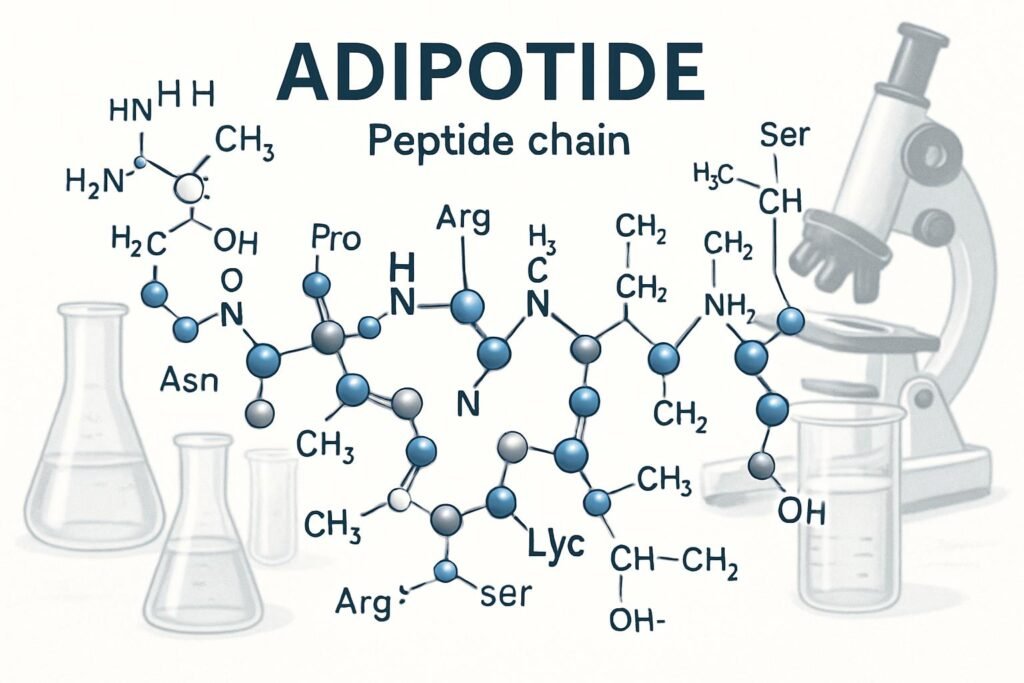
Adipotide is gaining significant attention in modern metabolic and obesity research. Scientists continue to study Adipotide due to its unique ability to target blood vessels that supply adipose tissue, setting it apart from traditional compounds used in metabolism and fat-related studies.
Interest in Adipotide peptide continues to grow as researchers explore its potential role in fat metabolism, weight management, and metabolic signaling. At the same time, search trends for Adipotide FTTP, FTTP peptide, and Adipotide FTTP for sale highlight increasing curiosity about its mechanisms and applications.
If you’re new to peptides, explore our guide on what is a peptide to understand how peptide compounds function in biological systems.
This guide covers everything you need to know about Adipotide, including how Adipotide peptide works, potential benefits, Adipotide FTTP research, and safety considerations.
Table of Contents
- What Is Adipotide?
- How Adipotide Peptide Works
- Potential Benefits of Adipotide
- Adipotide FTTP and Fat Metabolism
- Safety and Side Effects
- Adipotide FTTP for Sale: Key Considerations
- Frequently Asked Questions
What Is Adipotide?
Adipotide is an experimental peptide-based compound designed to target receptors located on blood vessels that supply adipose (fat) tissue.
Unlike many metabolic compounds that directly influence hormones, Adipotide peptide focuses on:
- Targeting fat tissue blood vessels
- Influencing metabolic pathways
- Supporting fat metabolism research
- Exploring tissue-specific peptide delivery
Researchers continue to study Adipotide due to its unique mechanism and potential role in metabolic regulation.
Today, Adipotide is widely discussed in peptide research, especially within metabolic peptides and fat loss peptides.
How Adipotide Peptide Works
Researchers believe Adipotide peptide works by targeting blood vessels associated with adipose tissue, which may influence fat metabolism and energy balance.
Targeting Fat Tissue Blood Vessels
Studies suggest Adipotide may:
- Target specific vascular receptors
- Influence fat tissue signaling
- Trigger cellular pathways related to adipose tissue
- Support targeted peptide delivery
These mechanisms are often explored alongside other fat loss peptides.
Influence on Metabolic Signaling
Research into Adipotide peptide focuses on its potential effects on:
- Energy balance
- Fat metabolism
- Nutrient utilization
- Cellular communication
Understanding these pathways is essential in metabolic peptides research.
Role in Obesity Research
Scientists continue to evaluate Adipotide in studies related to:
- Weight management pathways
- Adipose tissue biology
- Energy homeostasis
- Metabolic adaptation
Potential Benefits of Adipotide
Several potential benefits of Adipotide are currently being explored in research settings.
1. Fat Metabolism Support
Researchers are investigating whether Adipotide peptide may influence:
- Fat metabolism
- Energy expenditure
- Adipose tissue signaling
- Body composition
This aligns with ongoing studies in fat loss peptides.
2. Weight Management Research
Studies involving Adipotide explore its potential role in:
- Energy regulation
- Fat oxidation
- Metabolic efficiency
- Nutrient metabolism
These areas overlap with broader research into metabolic peptides.
3. Metabolic Health and Aging
Researchers are also interested in how Adipotide peptide may relate to:
- Cellular efficiency
- Energy regulation
- Metabolic flexibility
- Healthy aging pathways
This growing interest connects Adipotide with compounds like MOTS-C and Retatrutide.
Adipotide FTTP and Fat Metabolism
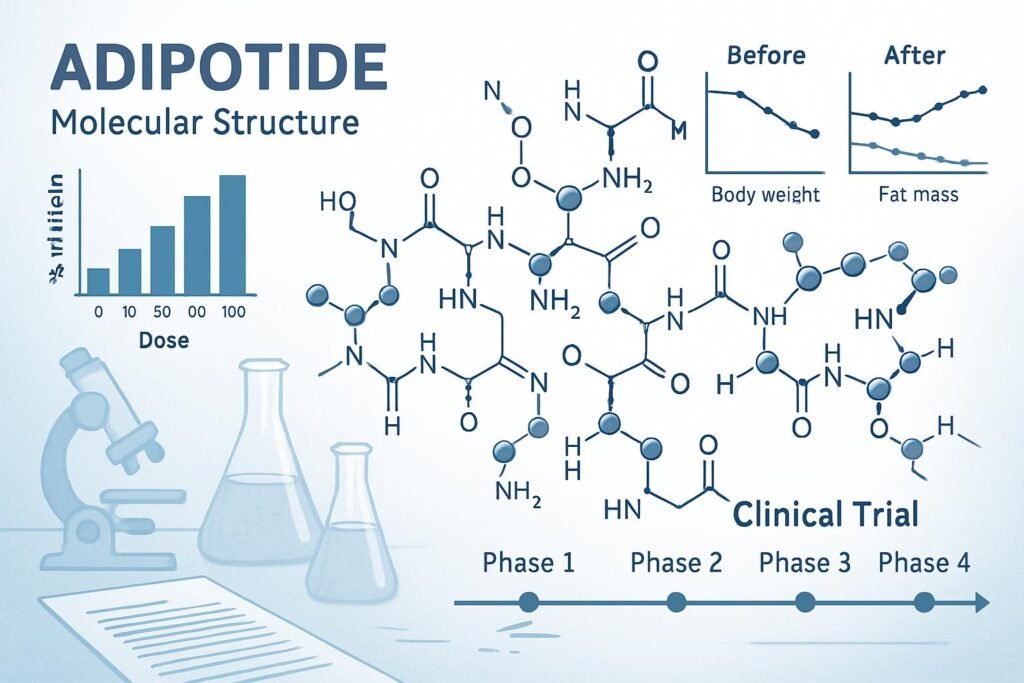
Adipotide FTTP is a key focus in current research. The FTTP peptide sequence is believed to play a role in targeting adipose tissue.
Energy Expenditure
Research into Adipotide FTTP explores its potential impact on:
- Cellular energy production
- Fat utilization
- Metabolic activity
Tools like our peptide calculator can help researchers understand peptide measurements and concentrations.
Body Composition
Scientists are studying whether Adipotide peptide may influence:
- Fat metabolism
- Body composition
- Metabolic adaptation
Cellular Signaling
Research into FTTP peptide includes its potential effects on:
- Hormonal pathways
- Gene expression
- Cellular signaling
- Energy balance
To better understand these processes, visit our guide on peptide bond formation.
While findings are promising, more human studies are needed.
Is Adipotide Safe?
Safety is a critical consideration when discussing Adipotide and Adipotide peptide.
Researchers continue to evaluate:
- Long-term safety
- Biological effects
- Metabolic responses
- Cardiovascular impact
Current insights suggest:
- Human research is still limited
- Long-term effects are not fully understood
- More clinical trials are required
For more information, explore our peptide research guide.
Adipotide FTTP for Sale: Key Considerations
Searches for Adipotide FTTP for sale and Adipotide for sale are increasing as awareness grows.
Before exploring these topics, consider the following:
Scientific Evidence
Always review:
- Published research
- Clinical studies
- Safety data
- Research limitations
Product Transparency
Look for:
- Clear ingredient labeling
- Third-party testing
- Certificates of analysis
- Verified product information
Regulatory Considerations
Regulations for Adipotide may vary depending on:
- Country
- Intended use
- Product classification
- Legal guidelines
Understanding these factors is essential when researching peptide-related products.
Featured Snippet
What Is Adipotide?
Adipotide is an experimental peptide compound designed to target blood vessels that supply fat tissue. Researchers study Adipotide peptide for its potential role in fat metabolism, metabolic signaling, and weight management research.
Frequently Asked Questions
What is Adipotide?
Adipotide is an experimental peptide compound studied for its role in adipose tissue targeting and metabolic research.
What is Adipotide Peptide?
Adipotide peptide refers to the peptide-based compound designed to target receptors on blood vessels associated with fat tissue.
What is Adipotide FTTP?
Adipotide FTTP refers to the targeting sequence used in Adipotide research that may help direct the compound to adipose tissue.
What is FTTP Peptide?
FTTP peptide is a targeted sequence studied for its role in adipose tissue interaction and metabolic signaling.
Why do people search Adipotide FTTP for Sale?
People search for Adipotide FTTP for sale to learn more about the compound, review research, and understand its availability and scientific background.
Is Adipotide safe?
Adipotide safety is still under investigation, and more human clinical studies are needed to determine long-term effects.
Conclusion
Adipotide continues to be one of the most promising compounds in metabolic research. Ongoing studies into Adipotide peptide and Adipotide FTTP highlight its potential role in fat metabolism, adipose tissue targeting, and metabolic signaling.
As interest grows in FTTP peptide and searches like Adipotide FTTP for sale, understanding the science, safety, and research behind Adipotide is essential. With continued advancements in peptide science, Adipotide is expected to remain a key focus in metabolic and obesity research. https://www.corepeptides.com/
References
- National Center for Biotechnology Information (NCBI) – Adipotide Research
- PubMed Database – Adipotide and Adipose Tissue Studies
- Kolonin MG, et al. Targeted Adipose Tissue Ablation and Obesity Research
- International Journal of Peptide Research and Therapeuticshttps://www.corepeptides.com/
