Articles
5 Amazing BPC 157 Benefits: The Ultimate Guide to Healing, Recovery & BPC-157 Side Effects in 2026
Jun
BPC 157 Benefits: The Ultimate Guide to Healing, Recovery & Safety
Introduction
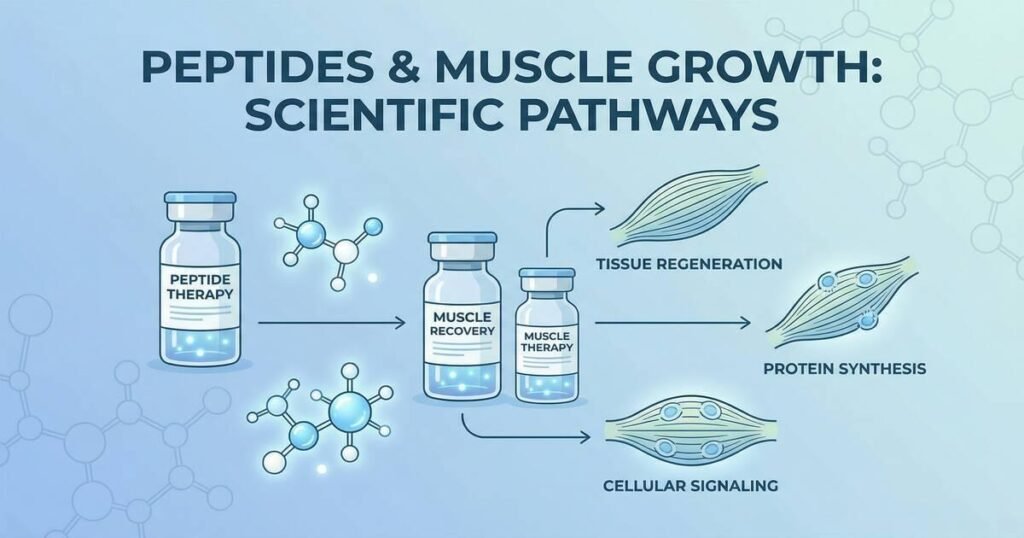
BPC 157 benefits have become one of the most searched topics in peptide research and regenerative medicine. Scientists are increasingly studying BPC 157 because of its potential role in tissue repair, wound healing, recovery, and gut health. Interest in BPC 157 benefits continues to grow as researchers explore how this peptide may influence cellular repair mechanisms and recovery pathways.
At the same time, many people want to understand bpc-157 side effects, the quality of scientific evidence, and whether the peptide is safe. This guide explores current research, possible benefits, safety concerns, and frequently asked questions about BPC 157.
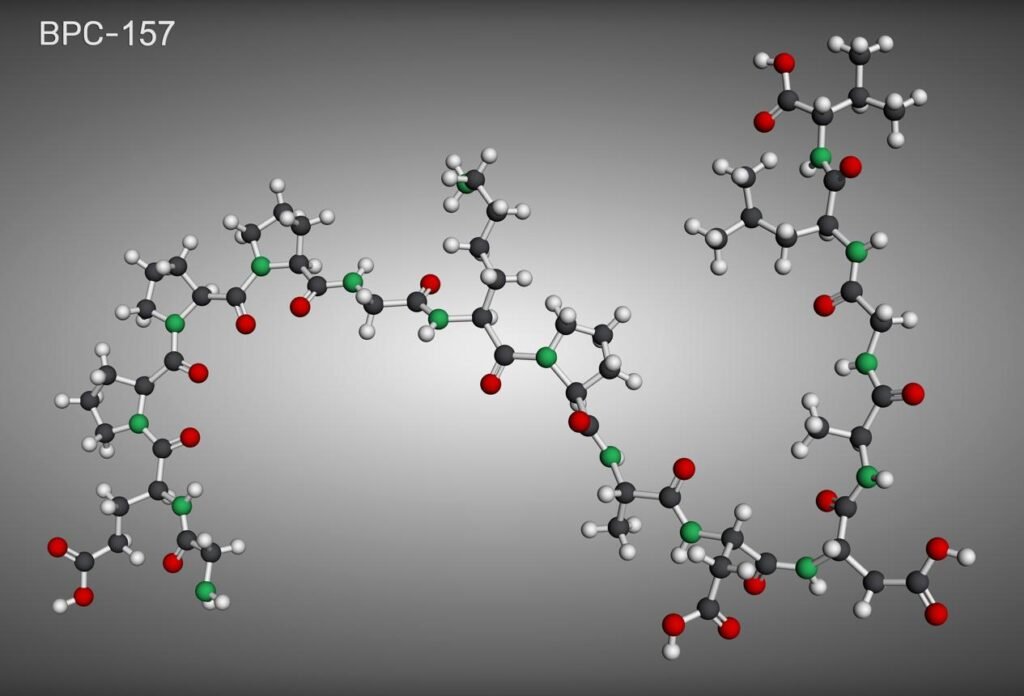
Table of Contents
- What Is BPC 157?
- Top BPC 157 Benefits
- BPC 157 Benefits for Healing
- BPC 157 Benefits for Recovery
- BPC-157 Side Effects
- Is BPC 157 Safe?
- Frequently Asked Questions
What Is BPC 157?
BPC 157 stands for Body Protection Compound 157, a synthetic peptide derived from a protective protein found in the stomach.
Researchers are studying BPC 157 because it may influence:
- Tissue repair
- Blood vessel formation
- Cellular communication
- Recovery pathways
- Gastrointestinal health
Interest in bpc 157 benefits has increased significantly over the last decade because of growing research into regenerative peptides and healing mechanisms.
Top BPC 157 Benefits
Several bpc 157 benefits have attracted attention in scientific research.
1. Supports Tissue Repair
Researchers are studying whether BPC 157 may influence:
- Tendon healing
- Ligament repair
- Muscle recovery
- Soft tissue regeneration
This is one of the most discussed bpc 157 benefits in regenerative medicine.
2. May Support Wound Healing
Scientists continue exploring whether BPC 157 affects:
- Skin repair
- Cellular regeneration
- Blood vessel growth
- Tissue remodeling
Some animal studies have produced promising findings, although more human research is needed.
3. Recovery After Physical Activity
Athletes and researchers are interested in bpc 157 benefits because of studies examining:
- Exercise recovery
- Muscle adaptation
- Tissue resilience
- Recovery from physical stress
Additional clinical trials are necessary to confirm these findings.
4. Gastrointestinal Research
BPC 157 was originally studied because of its connection to stomach and intestinal health.
Researchers continue exploring whether it influences:
- Gastric protection
- Intestinal repair
- Digestive health
- Inflammatory pathways
This area remains one of the most important research applications of BPC 157.
5. Blood Vessel Formation
Scientists have examined whether BPC 157 influences:
- Angiogenesis
- Blood vessel growth
- Oxygen delivery
- Tissue nourishment
These mechanisms may contribute to some of the reported bpc 157 benefits observed in preclinical studies.
BPC 157 Benefits for Healing
One of the most widely discussed bpc 157 benefits involves healing and tissue repair.
Researchers are investigating whether BPC 157 may support:
Tendon Healing
Studies have explored:
- Tendon regeneration
- Structural repair
- Recovery after injury
Ligament Recovery
Researchers continue evaluating:
- Ligament strength
- Healing processes
- Tissue remodeling
Muscle Repair
Scientists are interested in whether BPC 157 influences:
- Muscle recovery
- Cellular repair pathways
- Regenerative signaling
Although findings are promising, much of the current evidence comes from animal research.
BPC 157 Benefits for Recovery
Another major area of interest involves recovery.
Potential bpc 157 benefits under investigation include:
- Faster recovery after exercise
- Improved tissue resilience
- Reduced recovery time
- Cellular regeneration
- Recovery from physical stress
As regenerative medicine advances, BPC 157 remains an important area of peptide research.
BPC-157 Side Effects
Understanding bpc-157 side effects is essential.
Researchers continue to evaluate:
- Long-term safety
- Metabolic effects
- Biological interactions
- Individual responses
Because BPC 157 remains under investigation, comprehensive long-term safety data are still limited.
Some concerns commonly discussed in research include:
- Limited human clinical trials
- Unknown long-term effects
- Variability in product quality
- Differences in manufacturing standards
Current scientific evidence is insufficient to draw firm conclusions regarding all potential and further research is needed.
Is BPC 157 Safe?
Safety remains one of the most important topics surrounding BPC 157.
Researchers emphasize:
- Human studies remain limited.
- Long-term safety is not fully established.
- More clinical trials are necessary.
- Regulatory status varies by country.
When evaluating bpc 157, it is equally important to understand the limitations of current scientific knowledge.https://preferredregen.com/
Why Is BPC 157 So Popular?
The popularity of BPC 157 is driven by several factors:
Regenerative Medicine
Researchers continue exploring:
- Tissue repair
- Cellular regeneration
- Recovery pathways
- Healing science
Sports Recovery Research
Scientists investigate whether BPC 157 may influence:
- Recovery from physical stress
- Tissue adaptation
- Exercise recovery
Gastrointestinal Studies
BPC 157 was initially studied because of:
- Protective stomach proteins
- Gastrointestinal repair
- Digestive health research
This broad range of research areas contributes to ongoing interest in this peptide
Frequently Asked Questions
What is BPC 157?
BPC 157 is a synthetic peptide derived from a protective stomach protein and studied for healing, tissue repair, and recovery.
What are BPC 157 benefits?
Researchers are studying compounds related to tissue repair, recovery, gastrointestinal health, and regenerative medicine.
What are BPC-157 side effects?
Research on bpc-157 side effects is ongoing, and long-term human safety data remain limited.
Is BPC 157 safe?
Scientists continue investigating the long-term safety of BPC 157, and additional clinical studies are required.
Why is BPC 157 popular?
BPC 157 is popular because researchers are exploring its potential roles in healing, recovery, and tissue regeneration.
Conclusion
BPC 157 continue to attract attention in regenerative medicine and peptide research. Scientists are studying whether BPC 157 influences healing, recovery, gastrointestinal health, and tissue repair, making it one of the most discussed peptides in modern research.
At the same time, understanding bpc-157 side effects, research limitations, and long-term safety considerations remains essential. As scientific knowledge expands, BPC 157 will likely remain an important topic in the fields of healing science and regenerative medicine.
References
- National Center for Biotechnology Information (NCBI) – BPC 157 Research.
- PubMed Database – BPC 157 and Tissue Repair Studies.
- Sikiric P, et al. Stable Gastric Pentadecapeptide BPC 157 and Wound Healing.
- International Journal of Molecular Sciences – Peptides and Regenerative Medicine.
- Reviews in Peptide Science – Healing Peptides and Tissue Regeneration.
