Articles
Anabolic & Muscle Building Supplements: The Complete Guide 2026 to Building Strength and Size
Anabolic & muscle building supplements represent one of the most sought-after and extensively researched categories in the sports nutrition industry. Whether you are a competitive bodybuilder chasing maximum hypertrophy, a strength athlete looking to break performance plateaus, or a fitness enthusiast aiming to build a stronger, leaner physique, understanding how these supplements work — and how to use them correctly — is essential to achieving your goals efficiently and safely.
In this comprehensive guide, we break down everything you need to know about anabolic & muscle building supplements — covering the science behind muscle growth, the most effective supplement types, proper dosing protocols, timing strategies, potential risks, and how to select quality products in a market saturated with overhyped claims. visit our PrimegalaxyStore
What Are Anabolic & Muscle Building Supplements and How Do They Work?
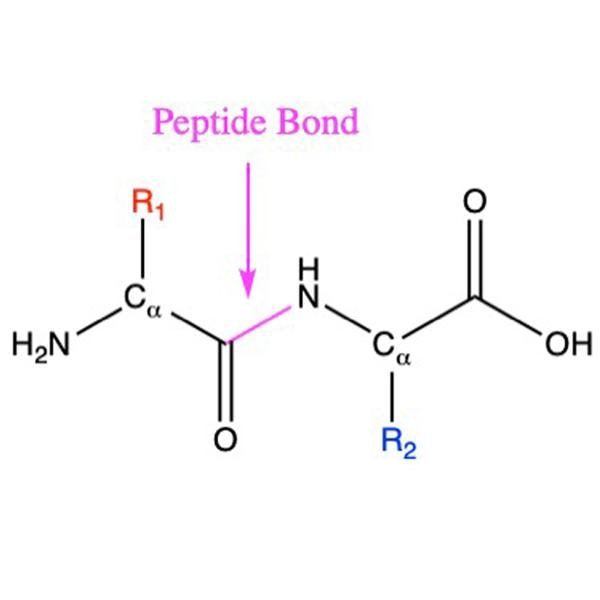
The term “anabolic” refers to the metabolic processes involved in building and synthesizing complex molecules from simpler ones — in the context of fitness, this specifically means the construction of muscle protein from amino acids. Anabolic & muscle building supplements are products formulated to support, accelerate, or optimize this muscle-building process through a variety of mechanisms including enhanced protein synthesis, improved nitrogen retention, increased hormonal support, amplified training performance, and accelerated post-exercise recovery.
It is important to distinguish legal, nutritional anabolic supplements from illegal anabolic steroids. The supplements covered in this guide are food-derived, legally available compounds that work within the body’s natural physiological parameters — supporting the anabolic process without pharmacologically manipulating hormone levels beyond normal ranges.
Who Should Consider Using Anabolic & Muscle Building Supplements?
These supplements are relevant to a broad range of individuals, including:
- Resistance-trained athletes seeking to accelerate hypertrophy and strength gains
- Competitive bodybuilders and powerlifters optimizing peak performance
- Recreational gym-goers who have hit a training plateau
- Older adults looking to combat age-related muscle loss and maintain functional strength
- Individuals recovering from injury or illness-related muscle wasting
- Anyone whose dietary intake fails to fully support their training demands
Are These Supplements Only for Professional Athletes?
Absolutely not. While professional athletes represent a significant consumer segment, the majority of anabolic & muscle building supplements are equally effective and appropriate for recreational trainees and health-focused individuals at any experience level. The key is matching the right supplement to your specific training goals, experience, and physiology.
The Science of Muscle Growth: Understanding the Anabolic Process
To understand how anabolic & muscle building supplements work, it is necessary to first understand the physiological process of muscle hypertrophy — the mechanism by which muscles grow larger and stronger in response to training stimulus.
How Does Muscle Hypertrophy Actually Occur?
Muscle growth occurs through a three-stage process. First, resistance training creates microscopic tears in muscle fibers — a process called mechanical tension and muscle damage. Second, the body initiates an inflammatory repair response, signaling satellite cells to migrate to the damaged site. Third, these satellite cells fuse with existing muscle fibers, depositing new contractile proteins — primarily actin and myosin — that increase both the size and strength of the muscle fiber over time.
This repair and growth process is entirely dependent on an adequate supply of amino acids, sufficient hormonal signaling — primarily testosterone, growth hormone, and insulin-like growth factor 1 (IGF-1) — and adequate caloric surplus to fund the energy cost of tissue synthesis. Anabolic & muscle building supplements are designed to optimize each of these factors.
What Role Does Testosterone Play in Muscle Building?
Testosterone is the primary anabolic hormone governing muscle protein synthesis, strength development, and body composition in both men and women — though in significantly higher concentrations in males. It binds to androgen receptors within muscle cells, directly stimulating the transcription of genes involved in protein synthesis and muscle fiber growth. This is why strategies that naturally support healthy testosterone levels — including adequate sleep, resistance training, zinc and magnesium sufficiency, and stress management — form the foundation beneath any effective anabolic supplement strategy. https://www.samedaysupplements.com/
The Most Effective Anabolic & Muscle Building Supplements Ranked by Evidence
Not all muscle building supplements are created equal. The following represent the most research-supported options within anabolic & muscle building supplements, ranked broadly by the strength and consistency of clinical evidence supporting their effectiveness.
Creatine Monohydrate: The Most Proven Muscle Building Supplement
Creatine monohydrate stands as the single most extensively studied and consistently effective compound in the entire category of anabolic & muscle building supplements. Creatine is a naturally occurring compound synthesized in the liver and kidneys from the amino acids arginine, glycine, and methionine. It is also found in small quantities in red meat and fish.
How Does Creatine Build Muscle and Increase Strength?
Creatine works by replenishing phosphocreatine stores within muscle cells, which are used to rapidly regenerate adenosine triphosphate (ATP) — the body’s primary energy currency — during high-intensity, short-duration efforts such as sprinting, heavy lifting, and explosive movements. By increasing the rate of ATP resynthesis, creatine allows athletes to perform more repetitions, lift heavier loads, and sustain higher training intensities — all of which drive greater mechanical tension on muscle fibers and, over time, greater hypertrophic adaptation.
Beyond its energy system effects, creatine also increases intramuscular water retention, promotes cell volumization, and may directly stimulate muscle protein synthesis pathways independent of training. Decades of research across hundreds of clinical trials support creatine monohydrate’s ability to increase lean muscle mass, maximal strength, power output, and high-intensity exercise performance. A standard dosing protocol involves either a loading phase of 20 grams per day for five to seven days followed by a maintenance dose of three to five grams daily, or a simpler approach of three to five grams per day consistently without a loading phase.
Branched-Chain Amino Acids (BCAAs): Leucine, Isoleucine, and Valine
Branched-chain amino acids are three of the nine essential amino acids — leucine, isoleucine, and valine — named for their distinctive branched molecular structure. Within anabolic & muscle building supplements, BCAAs occupy a prominent position due to leucine’s direct role as the primary trigger of muscle protein synthesis via the mTOR (mechanistic target of rapamycin) signaling pathway.
What Do BCAAs Actually Do for Muscle Growth?
Leucine acts as a metabolic signal that activates mTOR — the master regulatory pathway governing muscle protein synthesis. When leucine levels in the blood rise above a threshold concentration, mTOR is activated and muscle building is switched on at the cellular level. Isoleucine supports glucose uptake into muscle cells during exercise, while valine plays a supporting role in energy production and nitrogen balance. BCAAs are particularly valuable when training in a fasted state, during caloric restriction, or in situations where complete protein intake is insufficient — as they reduce muscle protein breakdown and sustain the anabolic environment needed for growth.
Typical dosing for BCAAs ranges from five to ten grams per serving, with a 2:1:1 ratio of leucine to isoleucine to valine being the most commonly recommended and studied ratio. BCAAs are most effectively consumed around training — either pre-workout, intra-workout, or immediately post-workout.
Essential Amino Acids (EAAs): A More Complete Anabolic Signal
While BCAAs have been a staple in sports nutrition for decades, Essential Amino Acids represent a more comprehensive anabolic stimulus. EAA supplements include all nine essential amino acids — the three BCAAs plus histidine, lysine, methionine, phenylalanine, threonine, and tryptophan. Research increasingly supports the superiority of full EAA supplementation over BCAAs alone for maximizing muscle protein synthesis, as the complete set of essential amino acids is required to fully execute the protein synthesis process once mTOR has been activated.
For individuals who are not consistently consuming adequate complete protein through diet, EAA supplementation provides a lightweight, rapidly absorbed anabolic stimulus without the caloric load of a full protein shake. Doses of six to twelve grams of EAAs around training represent an evidence-based approach to supporting muscle growth and preventing catabolism.
Beta-Alanine: Buffering Fatigue for Greater Training Volume
Beta-alanine is a non-essential amino acid that combines with histidine in muscle tissue to form carnosine — an intramuscular buffer that neutralizes the accumulation of hydrogen ions (lactic acid) during high-intensity exercise. By increasing muscle carnosine concentrations, beta-alanine supplementation delays the onset of muscular fatigue, allowing athletes to sustain higher training intensities for longer durations and complete more total training volume — a key driver of hypertrophy.
Beta-alanine is most effective for efforts lasting between one and four minutes — making it particularly valuable for bodybuilders performing moderate-to-high rep sets, combat athletes, and endurance-oriented strength training. The clinically effective dose is 3.2 to 6.4 grams per day, and it must be consumed consistently over several weeks to meaningfully elevate muscle carnosine stores. A common and harmless side effect is paresthesia — a tingling sensation on the skin — which can be minimized by splitting doses into smaller amounts throughout the day.
HMB (Beta-Hydroxy Beta-Methylbutyrate): Anti-Catabolic Protection
HMB is a metabolite of the amino acid leucine that has demonstrated significant anti-catabolic properties — meaning it actively reduces the rate of muscle protein breakdown. While its anabolic effects are more modest than creatine or protein supplementation in well-trained individuals, HMB is particularly effective in specific populations including beginners to resistance training, older adults experiencing age-related muscle loss, and individuals returning to training after a period of inactivity or illness. HMB may also accelerate recovery from high-volume training by reducing exercise-induced muscle damage markers. The standard dose is three grams per day, typically split into smaller doses across meals.
Testosterone Support Supplements: Natural Hormonal Optimization
A range of natural compounds have demonstrated the ability to support healthy testosterone levels within the body’s normal physiological range — a meaningful factor given testosterone’s central role in anabolic & muscle building supplements efficacy and overall hormonal health.
Key Natural Testosterone Support Ingredients
- Zinc — an essential mineral directly involved in testosterone biosynthesis; deficiency is associated with significantly reduced testosterone levels, making zinc repletion a high-priority intervention for deficient individuals
- Magnesium — supports sleep quality and free testosterone levels; research shows supplementation in deficient individuals can meaningfully raise testosterone concentrations
- Vitamin D3 — functions as a steroid hormone precursor and has been shown in clinical studies to correlate positively with testosterone levels; widespread deficiency makes this a commonly relevant supplementation target
- Ashwagandha (Withania somnifera) — an adaptogenic herb with multiple clinical trials demonstrating its ability to reduce cortisol, increase testosterone, improve strength, and enhance body composition in resistance-trained individuals
- Fenugreek extract — contains steroidal saponins that may inhibit enzymes responsible for converting testosterone to estrogen, supporting net free testosterone availability
- D-Aspartic Acid — an amino acid involved in the synthesis of luteinizing hormone (LH), which signals the testes to produce testosterone; effects appear most pronounced in untrained or hormonally suboptimal individuals
Pre-Workout Supplements: Amplifying Training Performance
Pre-workout supplements are a cornerstone of anabolic & muscle building supplements because training intensity and volume are among the most critical determinants of hypertrophic stimulus. Greater training performance directly translates into greater mechanical tension on muscle fibers and, over time, superior muscle growth outcomes.
What Are the Key Ingredients in an Effective Pre-Workout?
- Caffeine (150 to 300 mg) — the most well-studied ergogenic aid in existence; increases alertness, reduces perceived exertion, enhances strength output, and improves endurance performance across virtually all exercise modalities
- L-Citrulline or Citrulline Malate (6 to 8 grams) — a precursor to nitric oxide that enhances blood flow, reduces fatigue during high-rep training, and improves muscular endurance; associated with better muscle pumps and faster recovery between sets
- Beta-Alanine (3.2 grams) — as described above, buffers lactic acid accumulation for sustained high-intensity performance
- Betaine Anhydrous (2.5 grams) — a compound derived from beets that has demonstrated improvements in power output and body composition in multiple clinical trials
- Tyrosine — a precursor to dopamine and norepinephrine that supports focus, mental drive, and performance under physical and psychological stress
Glutamine: Recovery and Immune Support
Glutamine is the most abundant amino acid in the human body and plays a critical role in muscle recovery, immune function, and gut health. During periods of intense training, glutamine is depleted rapidly — and inadequate replenishment can impair immune function, delay recovery, and compromise gut integrity. While healthy individuals with adequate dietary protein intake typically produce sufficient glutamine, athletes in heavy training phases may benefit from supplemental doses of five to ten grams per day to accelerate recovery and maintain immune resilience.
Nutrition Principles That Maximize the Effectiveness of Anabolic Supplements
No supplement within anabolic & muscle building supplements operates effectively in isolation from foundational nutrition. The following dietary principles maximize the impact of your supplement investment:
Caloric Surplus for Muscle Growth
Muscle tissue synthesis is an energetically expensive process. Building muscle requires consuming more calories than you expend — typically a surplus of 250 to 500 calories above daily maintenance for lean, controlled muscle gain. Attempting to build significant muscle in a prolonged caloric deficit dramatically limits the effectiveness of any anabolic supplement strategy.
Adequate Total Protein Intake
As established in the context of general protein supplementation, resistance-trained individuals should target between 1.6 and 2.2 grams of protein per kilogram of body weight daily to maximize muscle protein synthesis. This protein should be distributed across multiple meals to sustain a consistently elevated amino acid availability — the substrate upon which all anabolic processes depend.
Carbohydrate Timing for Training Performance and Recovery
Carbohydrates are the primary fuel source for high-intensity resistance training. Consuming carbohydrates before training ensures glycogen stores are topped up for peak performance, while post-workout carbohydrate intake stimulates insulin release — an anabolic hormone that drives amino acids and glucose into muscle cells, accelerating recovery and glycogen replenishment. This insulin spike in the post-workout window is one reason protein and carbohydrate co-ingestion post-exercise is superior to protein alone for recovery.
Dosage and Timing Protocols for Anabolic Supplements
What Is the Optimal Timing for Each Supplement?
- Creatine monohydrate — three to five grams daily; timing is flexible but post-workout with carbohydrates may enhance uptake
- BCAAs or EAAs — five to twelve grams around training; pre-workout, intra-workout, or immediately post-workout
- Beta-alanine — 3.2 to 6.4 grams daily in split doses; consistent daily use is more important than specific timing
- HMB — three grams daily split across meals; consistent daily use required for anti-catabolic effect
- Pre-workout stack — consume thirty to forty-five minutes before training for optimal ergogenic timing
- Glutamine — five to ten grams post-workout or before sleep to support recovery
Potential Side Effects and Safety Considerations
Are Anabolic & Muscle Building Supplements Safe?
The supplements outlined in this guide are among the most studied compounds in all of nutritional science and are broadly considered safe for healthy adults when used at evidence-based doses. However, individual considerations apply:
- Creatine may cause temporary water retention and, in rare cases, mild gastrointestinal discomfort at high loading doses — splitting doses typically resolves this
- Beta-alanine produces a harmless tingling sensation (paresthesia) that diminishes with regular use
- High-stimulant pre-workouts containing large caffeine doses can cause elevated heart rate, anxiety, and sleep disruption — particularly in caffeine-sensitive individuals
- Natural testosterone support supplements are generally well-tolerated though individuals on medications or with hormone-sensitive conditions should consult a physician before use
- Glutamine is extremely safe at standard doses, though excessive intake may cause gastrointestinal discomfort in sensitive individuals
Who Should Exercise Caution with These Supplements?
Individuals with pre-existing cardiovascular conditions, kidney disease, hormonal disorders, or those currently taking prescription medications should consult a qualified healthcare professional before adding anabolic & muscle building supplements to their regimen.
How to Choose Quality Products in the Anabolic Supplement Market
The muscle building supplement market is one of the most aggressively marketed categories in consumer health — making quality evaluation an essential skill for any informed buyer.
What to Look for When Buying Anabolic Supplements
- Third-party testing certification — NSF Certified for Sport and Informed Sport labels confirm that products contain what they claim and are free from banned substances or contaminants
- Clinically dosed ingredients — verify that active ingredients are present at doses matching those used in clinical research, not token amounts added for label appeal
- Transparent labeling — avoid proprietary blends that prevent you from seeing individual ingredient quantities
- Minimal unnecessary additives — quality products rely on active ingredients, not excessive fillers, artificial dyes, or synthetic preservatives
- Reputable manufacturer — research the company’s manufacturing standards, third-party testing history, and independent consumer reviews
Should You Stack Multiple Anabolic Supplements?
Strategic stacking — combining complementary supplements — can amplify results when done correctly. A well-evidenced foundational stack for most individuals would include creatine monohydrate, a quality protein supplement, EAAs or BCAAs around training, and a clean pre-workout formulation. More advanced users may add HMB, beta-alanine, and natural testosterone support ingredients based on individual goals and response. Avoid stacking multiple stimulant-containing products simultaneously.
Frequently Asked Questions About Anabolic & Muscle Building Supplements
How Long Does It Take to See Results from Muscle Building Supplements?
Results vary based on training consistency, nutrition quality, sleep, and individual genetics. Creatine typically produces noticeable strength and performance improvements within one to two weeks. Visible changes in muscle size generally require a minimum of four to eight weeks of consistent training, nutrition, and supplementation. Patience and consistency are the true rate-limiting factors — supplements accelerate progress, they do not create it independently.
Can Women Use Anabolic & Muscle Building Supplements?
Absolutely. The majority of anabolic & muscle building supplements are equally safe and effective for women. Creatine, EAAs, beta-alanine, glutamine, and quality pre-workouts all benefit female athletes and recreational trainees equally. Testosterone support supplements formulated specifically around male hormone optimization are less applicable to women but are generally not harmful at standard doses. Women should simply be mindful of serving sizes calibrated for average male body weight when adjusting their own dosing.
Do Anabolic Supplements Work Without Training?
No supplement within anabolic & muscle building supplements produces meaningful muscle growth without the training stimulus that triggers hypertrophy in the first place. Supplements optimize the body’s response to training — they cannot manufacture muscle independently of the mechanical tension, metabolic stress, and muscle damage created by resistance exercise. Training is the non-negotiable foundation. Supplementation is the amplifier.
What Is the Difference Between Legal Anabolic Supplements and Anabolic Steroids?
Legal anabolic supplements are naturally derived nutritional compounds that support the body’s own hormone production and protein synthesis processes within normal physiological ranges. They do not introduce synthetic hormones or pharmacological compounds into the body. Anabolic steroids are synthetic derivatives of testosterone that dramatically elevate androgen levels far beyond natural ranges — producing rapid but often unsustainable muscle gains alongside significant health risks including liver damage, cardiovascular disease, hormonal disruption, and psychological effects. The distinction is fundamental and non-trivial.
The Future of Anabolic & Muscle Building Supplements
Innovation within this category continues at a rapid pace. Emerging developments include next-generation creatine variants with enhanced solubility and potentially superior absorption, peptide-based muscle growth agents currently under clinical investigation, myostatin inhibitors that may unlock greater genetic muscle building potential, and personalized supplementation protocols guided by genomic and metabolomic profiling. Artificial intelligence-driven nutrition platforms are also beginning to tailor supplement recommendations to individual biomarker data, training history, and recovery metrics — pointing toward a future where anabolic & muscle building supplements are precision-calibrated rather than broadly generalized.
Conclusion
Anabolic & muscle building supplements represent a powerful and well-evidenced toolkit for individuals committed to maximizing their physical development. From creatine monohydrate — the most proven muscle building compound in nutritional science — to BCAAs, EAAs, beta-alanine, HMB, natural testosterone support, and performance-enhancing pre-workout formulations, the options available today are more effective, better researched, and more accessible than at any point in history.
The key to unlocking their full potential lies not in chasing the newest or most aggressively marketed product, but in building a strategic, evidence-based supplement plan grounded in your specific training goals, nutritional needs, and physiological response. Pair the right supplements with consistent resistance training, a caloric surplus, adequate protein intake, quality sleep, and disciplined recovery — and the results will follow.
Supplements do not build muscle. Hard work builds muscle. Supplements simply ensure that hard work produces the best possible outcome. visit our website https://primegalaxy.shop/
