Articles
7 Incredible Peptide Bond Formation Facts: The Ultimate Guide to Covalent Bonds
Jun
Peptide bond formation is one of the most important processes in biology and chemistry. Every protein in the human body depends on peptide bond formation to connect amino acids into longer chains that perform essential biological functions. From enzymes and hormones to antibodies and structural proteins, peptide bonds are fundamental to life.
Many students and researchers frequently ask questions such as are peptide bonds covalent, is peptide bond covalent, and is a peptide bond a covalent bond. The answer is yes—a peptide bond is a special type of covalent bond that links amino acids together.
In this guide, you’ll learn how peptide bond formation occurs, why peptide bonds are considered covalent, their importance in protein synthesis, and answers to the most common questions about peptide chemistry.
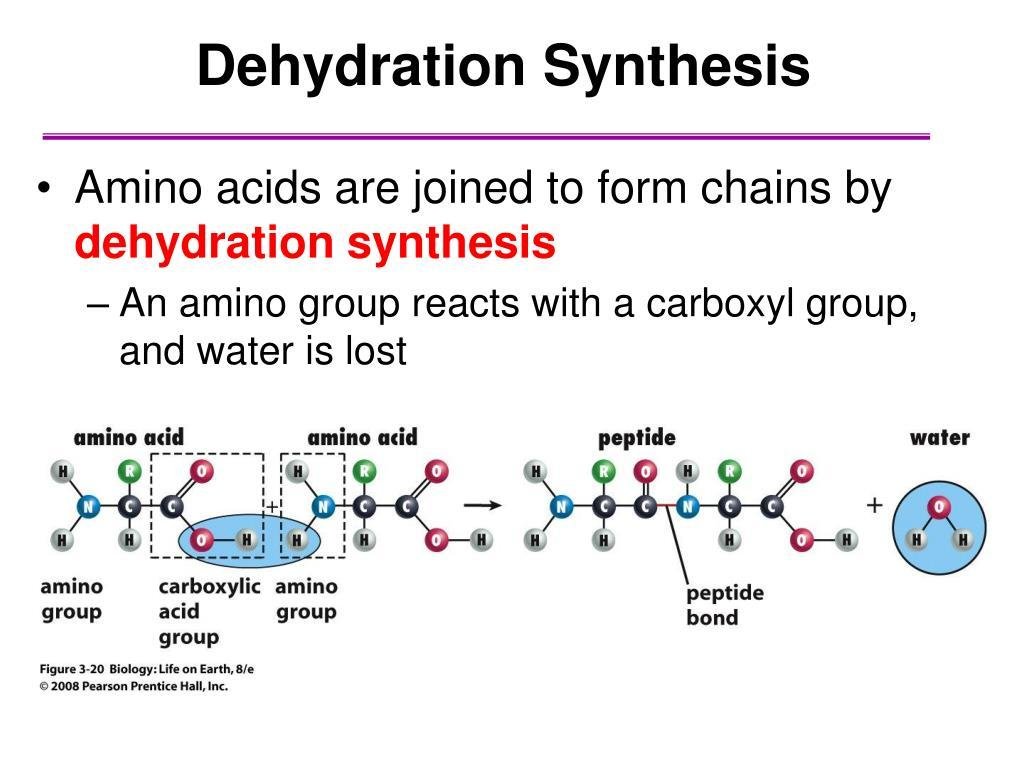
Table of Contents
- What Is Peptide Bond Formation?
- How Does Peptide Bond Formation Occur?
- Are Peptide Bonds Covalent?
- Is Peptide Bond Covalent?
- Is a Peptide Bond a Covalent Bond?
- Why Is Peptide Bond Formation Important?
- Factors Affecting Peptide Bond Formation
- Frequently Asked Questions
What Is Peptide Bond Formation?
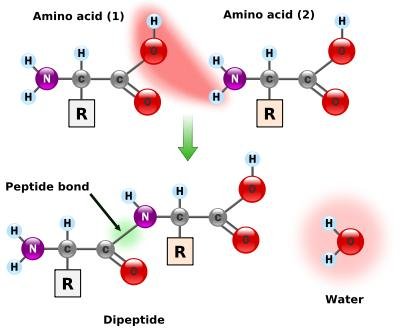
Peptide bond formation is the chemical process by which two amino acids join together.
This reaction occurs when:
- The amino group (-NH₂) of one amino acid
- Reacts with the carboxyl group (-COOH) of another amino acid
During the reaction:
- A molecule of water is removed.
- A new chemical bond forms.
- The amino acids become linked.
This reaction is known as a condensation reaction or dehydration synthesis.
The resulting bond is called a peptide bond.
Without peptide bond formation, proteins and peptides could not exist.
How Does Peptide Bond Formation Occur?
The process of peptide bond formation involves several steps.
Step 1: Two Amino Acids Approach Each Other
Every amino acid contains:
- An amino group (-NH₂)
- A carboxyl group (-COOH)
- A hydrogen atom
- A side chain (R group)
The amino group from one amino acid reacts with the carboxyl group of another.
Step 2: Water Is Removed
During peptide bond formation:
- The OH group leaves the carboxyl group.
- One hydrogen atom leaves the amino group.
Together they form:
H₂O (water)
This is why peptide bond formation is classified as dehydration synthesis.
Step 3: A Peptide Bond Is Created
After water is removed:
- Carbon from the carboxyl group
- Bonds to nitrogen from the amino group
This produces a stable peptide bond.
The amino acids are now linked together.
Repeating this process forms:
- Dipeptides
- Tripeptides
- Polypeptides
- Proteins
Are Peptide Bonds Covalent?
One of the most common questions in chemistry is:
Are peptide bonds covalent?
Yes.
Peptide bonds are covalent bonds.
A peptide bond forms when:
- Carbon atoms share electrons with nitrogen atoms.
- Electrons are shared rather than transferred.
- The resulting bond becomes strong and stable.
Because electrons are shared between atoms, peptide bonds meet the definition of a covalent bond.
Therefore, the answer to are peptide bonds covalent is absolutely yes.
Is Peptide Bond Covalent?
Another frequently searched question is:
Is peptide bond covalent?
Yes.
A peptide bond is a covalent amide bond that links amino acids.
The bond forms through electron sharing between:
- Carbon (C)
- Nitrogen (N)
This shared electron pair creates a stable chemical connection.
Scientists classify peptide bonds as:
- Covalent bonds
- Amide bonds
- Strong chemical bonds
So if you’re asking is peptide bond covalent, the answer is yes.
Is a Peptide Bond a Covalent Bond?
Many students also ask:
Is a peptide bond a covalent bond?
Again, the answer is yes.
A peptide bond is one of the most important examples of a covalent bond found in biology.
Characteristics include:
- Shared electrons
- Strong bonding strength
- High stability
- Resistance to spontaneous breakdown
This stability allows proteins to maintain their structure and function.
Therefore:
Yes, a peptide bond is a covalent bond.
Why Is Peptide Bond Formation Important?
Peptide bond formation is essential because it enables the body to create proteins.
Proteins perform countless functions including:
Enzymatic Reactions
Enzymes accelerate biochemical reactions.
Without peptide bond formation:
- Digestive enzymes
- DNA polymerase
- Metabolic enzymes
would not exist.
Hormone Production
Many hormones are peptides or proteins.
Examples include:
- Insulin
- Growth hormone
- Glucagon
All require peptide bond formation.
Immune System Function
Antibodies are proteins.
Peptide bond formation allows antibodies to:
- Recognize pathogens
- Neutralize viruses
- Support immunity
Structural Support
Proteins such as:
- Collagen
- Keratin
- Elastin
provide structural integrity.
Their existence depends entirely on peptide bond formation.
Properties of Peptide Bonds
Peptide bonds possess unique chemical properties.
Strong Covalent Nature
Because peptide bonds are covalent:
- They resist spontaneous breakage.
- They remain stable under normal conditions.
- They maintain protein structure.https://www.uk-peptides.com/
Partial Double Bond Character
Peptide bonds have:
- Single bond characteristics
- Partial double bond properties
This restricts rotation around the bond.
As a result:
- Protein shapes become more stable.
- Folding patterns become more predictable.
Planar Structure
The atoms involved in peptide bonds:
- Carbon
- Oxygen
- Nitrogen
- Hydrogen
lie almost in the same plane.
This structural feature influences:
- Protein folding
- Secondary structures
- Biological activity
Factors Affecting Peptide Bond Formation
Several factors influence peptide bond formation.
Temperature
Extreme temperatures may:
- Alter protein structure
- Influence reaction rates
- Affect stability
pH
Changes in pH can:
- Disrupt proteins
- Influence amino acid charge
- Affect enzyme activity
Enzymes
Biological systems use:
- Ribosomes
- Peptidyl transferase enzymes
to catalyze peptide bond formation.
Without enzymes, protein synthesis would be extremely slow.
Peptide Bond Formation in Protein Synthesis
Inside cells, peptide bond formation occurs during:
Translation
The ribosome reads messenger RNA (mRNA).
Transfer RNA (tRNA):
- Delivers amino acids.
- Positions them correctly.
- Enables peptide bond formation.
This process repeats until:
- A complete protein is assembled.
Protein synthesis is therefore a direct result of peptide bond formation.
Frequently Asked Questions
What is peptide bond formation?
Peptide bond formation is the chemical reaction that joins amino acids together through dehydration synthesis to create peptides and proteins.
Are peptide bonds covalent?
Yes. Peptide bonds are covalent bonds because carbon and nitrogen atoms share electrons.
Is peptide bond covalent?
Yes. A peptide bond is a covalent amide bond connecting amino acids.
Is a peptide bond a covalent bond?
Absolutely. A peptide bond is one of the most important covalent bonds found in biological systems.
Why is peptide bond formation important?
Peptide bond formation allows the body to create proteins that are essential for:
- Growth
- Immunity
- Hormone production
- Enzyme activity
- Structural support
Conclusion
Peptide bond formation is a fundamental process that enables amino acids to join together and form peptides and proteins. Understanding peptide bond formation helps explain how proteins are built and why they remain stable.
Questions such as are peptide bonds covalent, is peptide bond covalent, and is a peptide bond a covalent bond all have the same answer: yes. Peptide bonds are strong covalent bonds created through electron sharing between carbon and nitrogen atoms.
From protein synthesis and enzymes to hormones and antibodies, peptide bond formation remains one of the most essential chemical processes in biology and biochemistry.
References
- Lehninger Principles of Biochemistry, 8th Edition.
- Berg JM, Tymoczko JL, Gatto GJ. Biochemistry.
- Nelson DL, Cox MM. Principles of Biochemistry.
- National Center for Biotechnology Information (NCBI) – Peptide Bond Chemistry.
- PubMed Database – Protein Structure and Peptide Bond Formation Studies.
